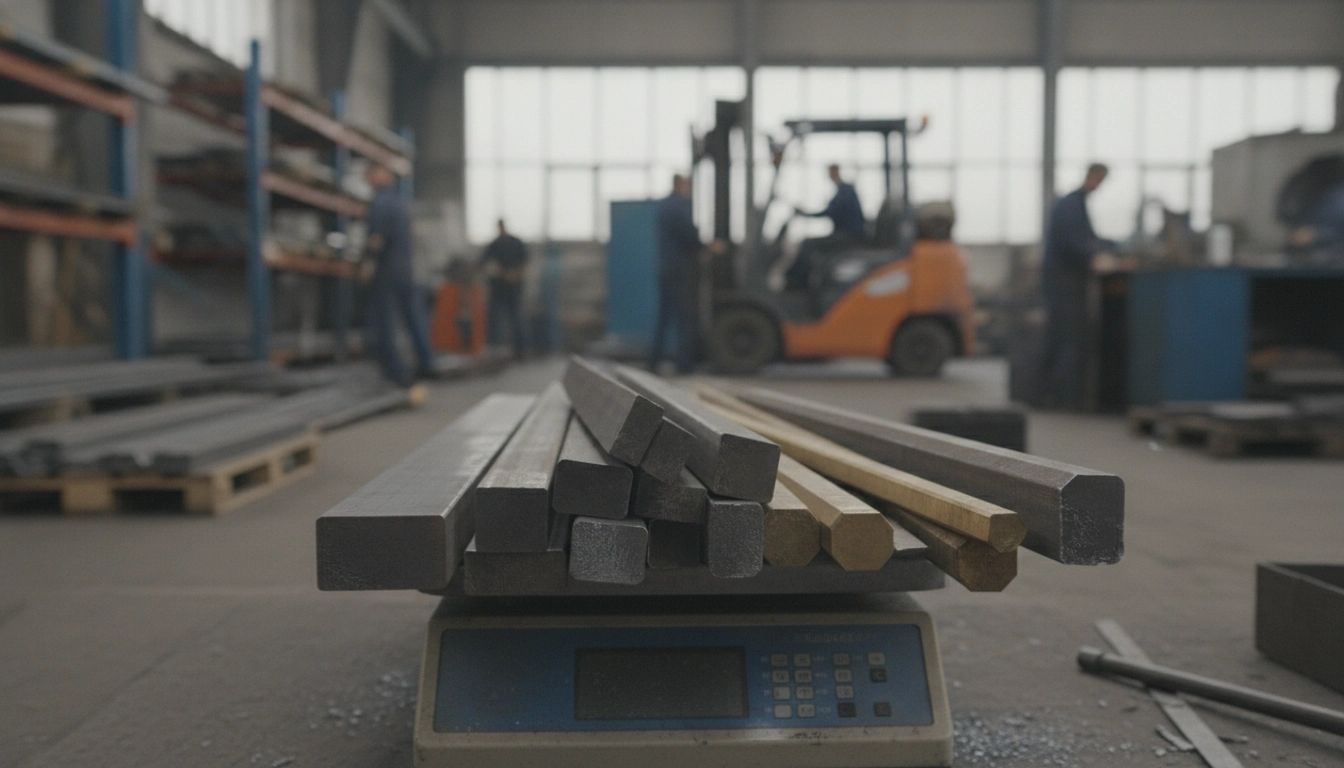
Bar stock pricing varies widely because “bar stock” describes a shape (solid metal in bars) rather than a single product. As a practical range, common aluminum bars may start around a few dollars per foot for small sizes, while stainless steel and specialty alloys can jump to tens (or more) per foot depending on grade and dimensions. Large diameters, tight tolerances, and certified material can raise the per-foot cost significantly.
The biggest drivers are the metal type (aluminum vs. carbon steel vs. stainless vs. brass), the alloy/grade, and the bar’s size (diameter, thickness, and length). Finishes and specs matter too: ground, precision shafting, or cold-finished bars often cost more than hot-rolled equivalents. If you need material certifications (like mill test reports), that can add cost, especially for smaller orders.
Suppliers typically price bar stock by the pound or by the foot, with the final price based on weight and dimensions. Many vendors also have cut fees for custom lengths, minimum order quantities, and different pricing tiers for full lengths versus cut pieces. Shipping can be a major line item for long bars, since oversized packages may trigger freight charges.
Two quotes can look far apart even for similar-looking bars. One supplier might be quoting a tighter tolerance, a different temper, or include certification and cutting. When comparing, confirm grade/alloy, condition (hot rolled/cold finished), tolerance, length, and whether the quote includes cutting and freight.
For a deeper breakdown and examples by material and size, see the full guide here: https://qualityfindingshub.shop/how-much-is-bar-stock/.
For Bar Stock Cost: Typical Prices & Key Factors, the best answer depends on fit, material, care instructions, and how the product will be used day to day.
Dimensions, tolerance/finish, required certifications, cut fees, order quantity, and shipping method can all move the total price. Longer lengths often increase freight costs due to oversize handling.













Leave a comment